

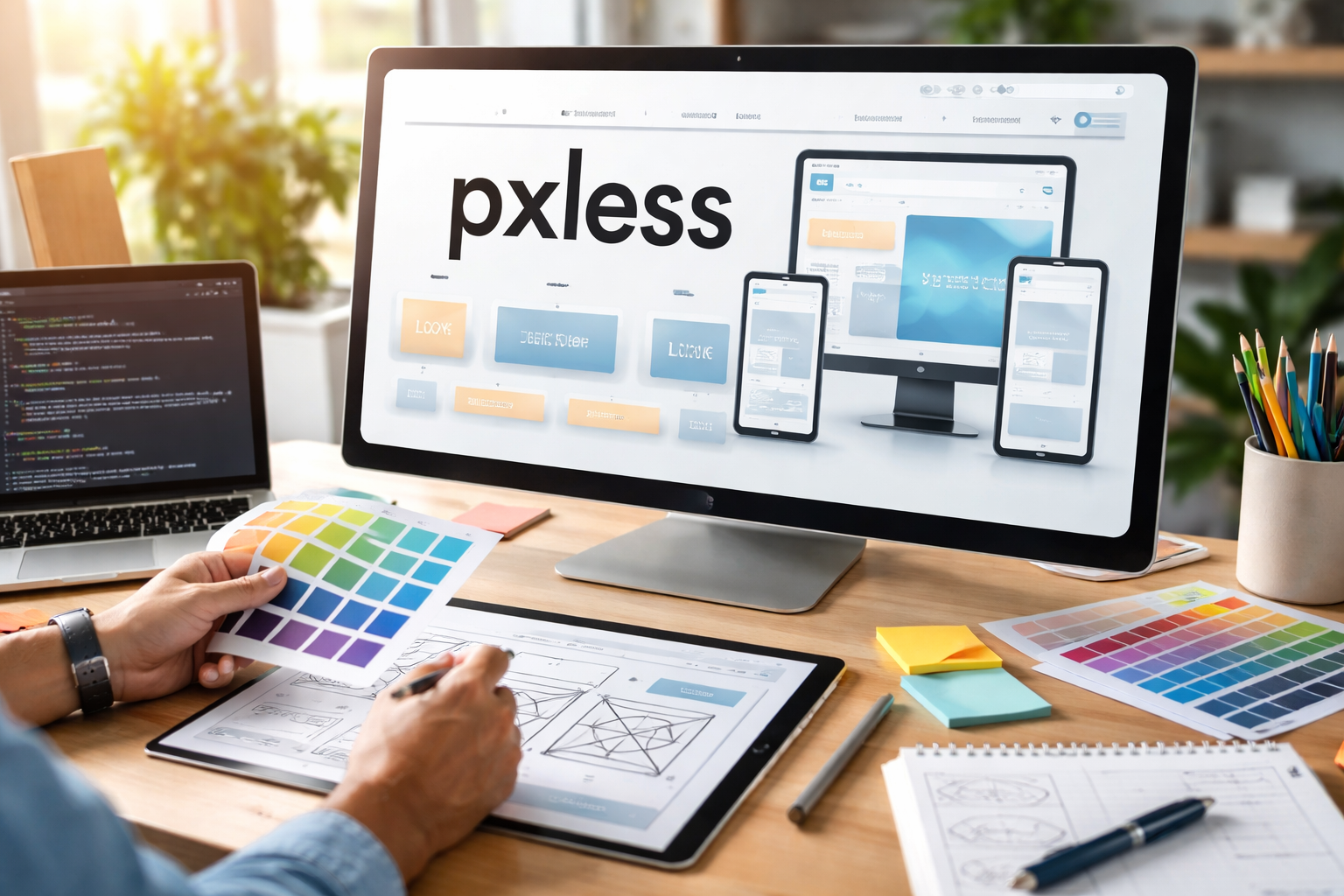
In today’s fast-changing digital world, the way websites are designed has evolved significantly. One concept that is gaining attention among developers and designers is “pxless.” At its core, pxless refers to moving away from fixed pixel-based measurements and embracing more flexible, scalable design approaches. This shift is not just a trend but a practical response to the growing number of devices and screen sizes used by people worldwide.
When users search for “pxless,” they are often trying to understand how modern websites achieve smooth responsiveness without relying heavily on rigid pixel values. This approach allows designs to adapt naturally, creating a better experience for users whether they are on a mobile phone, tablet, or desktop. Understanding pxless is essential for anyone involved in web design today, especially those who want to build future-ready websites.
What Does Pxless Really Mean?
Pxless is not about completely removing pixels from design, but rather about reducing dependency on fixed pixel values. Instead of defining elements with strict numbers like “width: 300px,” designers use flexible units that respond to different screen sizes and user settings. This creates layouts that adjust automatically rather than breaking when conditions change.
The concept is more about a mindset than a strict rule. It encourages thinking in terms of proportions, scalability, and user experience instead of fixed measurements. By focusing on flexibility, pxless design ensures that content remains readable and visually balanced across all devices. This approach aligns well with modern development practices where adaptability is a key priority.
Why Traditional Pixel-Based Design Is Failing
Traditional pixel-based design worked well when most users accessed websites from similar desktop screens. However, the digital landscape has changed dramatically. Today, users browse on smartphones, tablets, laptops, and even large smart TVs, all with different resolutions and dimensions. Fixed pixel layouts struggle to handle this diversity.
One common issue with pixel-based design is that layouts often break or look inconsistent on smaller or larger screens. Text may appear too small, images may overflow, and spacing can become uneven. This leads to poor user experience and can increase bounce rates. From a development perspective, maintaining multiple pixel-based layouts becomes time-consuming and inefficient.
As user expectations continue to rise, relying solely on pixel values is no longer practical. Designers need a more flexible approach, and that is where pxless design becomes highly valuable.
Core Principles Behind Pxless Design
Pxless design is built on a few key principles that guide how layouts are created. One of the most important principles is flexibility. Instead of fixed sizes, elements are designed to grow or shrink based on the screen and content. This ensures consistency without forcing rigid structures.
Another principle is content-first design. Rather than designing around specific dimensions, the focus is placed on the content itself. This helps create layouts that naturally adapt to different environments while maintaining readability and usability.
Scalability is also essential. Fonts, spacing, and containers are designed in a way that they scale smoothly. This avoids issues where elements look too large or too small on certain devices. By following these principles, pxless design creates a balanced and adaptable user experience.
Key Benefits of Using Pxless
One of the biggest advantages of pxless design is improved responsiveness. Websites built with flexible units adjust seamlessly across different devices, reducing the need for constant fixes and adjustments. This makes development more efficient and reduces long-term maintenance efforts.
Another important benefit is better accessibility. Users often change their browser settings, such as zoom levels or font sizes. Pxless design accommodates these changes more effectively, ensuring that content remains readable for everyone. This is especially important for users with visual impairments.
From a practical perspective, developers and designers can work more efficiently. Instead of constantly adjusting pixel values for different screens, they can rely on scalable systems that adapt automatically. This not only saves time but also leads to cleaner and more maintainable code.
Pxless Vs Pixel-Perfect Design
Pixel-perfect design focuses on achieving exact visual accuracy based on a static design file. While this approach can produce visually precise results, it often lacks flexibility. On different devices, maintaining pixel-perfect accuracy becomes challenging and sometimes unnecessary.
In contrast, pxless design prioritizes adaptability over strict precision. Instead of forcing elements to match exact pixel values, it allows layouts to adjust naturally. This does not mean sacrificing quality, but rather redefining it in terms of usability and consistency.
There are still situations where pixel-perfect design is useful, such as branding elements or specific visual components. However, for overall layout and structure, pxless design provides a more practical and future-proof solution.
How Pxless Works In Real Projects
In real-world projects, pxless design is applied through flexible layouts and scalable elements. For example, a website’s main container might use percentage-based widths instead of fixed pixel values. This allows it to adjust based on the screen size automatically.
Typography is another area where pxless design is highly effective. Instead of setting fixed font sizes, designers use relative units that scale with user preferences and device settings. This ensures readability across different environments.
A common scenario involves fixing a website that looks perfect on desktop but breaks on mobile. By switching to a pxless approach, developers can create a layout that adapts smoothly, eliminating the need for multiple fixes. This makes the design more reliable and user-friendly.
Tools And Techniques Used In Pxless Design
Several modern tools and techniques support pxless design. Flexible units such as percentages and viewport-based measurements allow elements to adjust dynamically. These units help create layouts that respond naturally to different screen sizes.
CSS technologies like Flexbox and Grid play a major role in pxless design. They allow developers to create flexible layouts without relying on fixed dimensions. This makes it easier to align elements and manage spacing in a responsive way.
Another important technique is fluid typography. This involves scaling text based on screen size, ensuring consistent readability. Design systems and spacing scales also help maintain consistency across the entire website, making pxless design more structured and reliable.
Common Mistakes To Avoid When Going Pxless
While pxless design offers many advantages, there are some common mistakes that should be avoided. One mistake is assuming that flexibility means lack of structure. Without proper planning, layouts can become inconsistent and difficult to manage.
Another issue is overusing different units without a clear system. This can lead to confusion and unpredictable results. It is important to maintain consistency and use a well-defined approach when applying flexible units.
Poor collaboration between designers and developers can also create problems. If both sides are not aligned on how the design should adapt, the final result may not meet expectations. Clear communication and planning are essential for successful pxless implementation.
Expert Tips To Start Using Pxless Today
If you are new to pxless design, it is best to start with small changes. Begin by adjusting typography and spacing to use flexible units. This allows you to see the benefits without making major changes to your entire layout.
Testing is another key step. Always check how your design looks on different devices and screen sizes. This helps identify any issues early and ensures a smooth user experience.
Focusing on user experience rather than exact measurements is also important. Instead of trying to control every pixel, think about how users interact with your content. This mindset shift can make a big difference in the quality of your design.
The Future Of Pxless In Web Design
As technology continues to evolve, pxless design is becoming more relevant. With the increasing variety of devices and screen sizes, flexible design approaches are no longer optional. They are becoming the standard in modern web development.
Accessibility is also gaining more attention, and pxless design supports this by allowing content to adapt to user preferences. This makes websites more inclusive and user-friendly.
In the future, design tools and frameworks are likely to focus even more on flexibility and scalability. Pxless design will continue to play a key role in shaping how websites are built and experienced.
Conclusion:
Pxless is not just a new term in web design; it represents a fundamental shift in how digital experiences are created. By moving away from rigid pixel-based layouts, designers can build websites that are more adaptable, accessible, and future-proof.
This approach focuses on real user needs rather than strict visual control, making it more practical in today’s diverse digital environment. Whether you are a beginner or an experienced developer, understanding and applying pxless design can significantly improve your work.
As the demand for responsive and user-friendly websites continues to grow, pxless will remain an important concept. Adopting it now can help you stay ahead and create designs that truly work for everyone.
FAQ’s:
What is pxless in simple terms?
Pxless is a design approach where developers reduce the use of fixed pixel values and use flexible units to create responsive and adaptable layouts.
Does pxless mean pixels are completely removed?
No, pxless does not completely remove pixels. It simply reduces dependency on them and focuses more on scalable and flexible design methods.
Why is pxless important for modern websites?
Pxless helps websites adjust smoothly across different devices and screen sizes, improving user experience and accessibility.
Is pxless better than pixel-perfect design?
Pxless is generally better for responsiveness and flexibility, while pixel-perfect design is useful for precise visual elements. Both can be used together when needed.
Can be ginners use pxless design easily?
Yes, beginners can start using pxless by learning basic flexible units and gradually applying them to typography and layout design.
Want to explore more? Check out other articles on our site.
Disclaimer
The information provided in this article about “pxless” is for general educational and informational purposes only. While every effort has been made to ensure accuracy and relevance, the content is based on current knowledge and practical understanding of modern web design practices. It should not be considered professional or technical advice for specific projects. Readers are encouraged to apply these concepts according to their own requirements and verify details before implementing them in real-world scenarios. The author is not responsible for any outcomes resulting from the use of this information.