
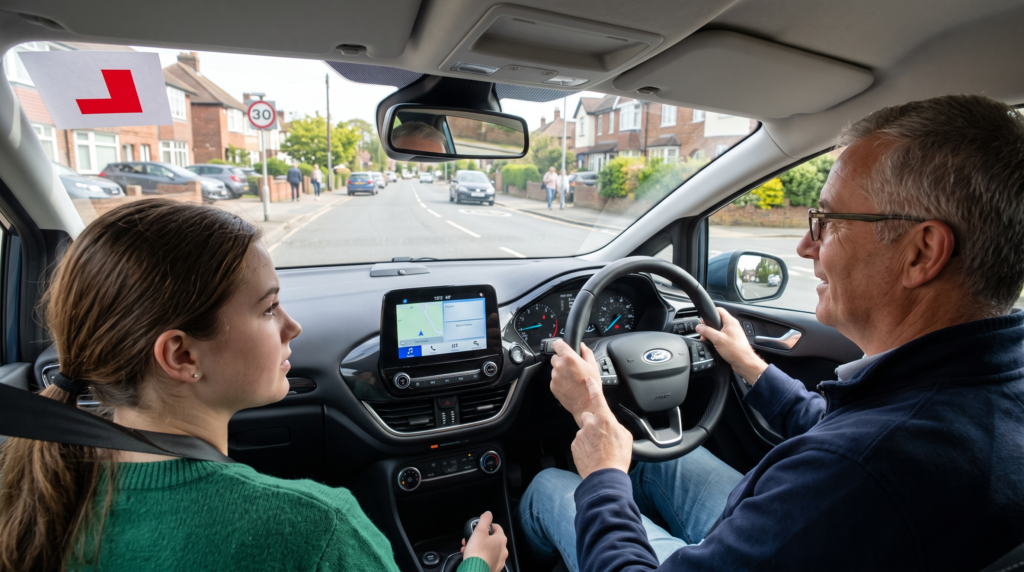
Understanding Learners Insurance and Its Importance for New Drivers
Learning to drive is an exciting milestone, but getting behind the wheel requires careful preparation and strict adherence to the law. One of the most critical steps before starting your engine on a public road is securing the appropriate learners insurance. This specialised coverage is designed specifically for individuals who hold a provisional driving licence and need to practice their driving skills outside of formal driving lessons.
Whether you are practicing in your own vehicle or borrowing a car from a friend or family member, having valid insurance is a legal necessity. Driving without it is illegal and can lead to severe consequences, including fines, penalty points, or even prosecution. Navigating the insurance market can feel overwhelming for a beginner, given the variety of policy types, coverage levels, and pricing structures available today. Insurers view new drivers differently, calculating risks based on the fact that learners are statistically less experienced but are usually accompanied by an experienced supervisor.
This unique risk profile means that provisional drivers often pay surprisingly different premiums compared to newly qualified drivers holding a full licence. Finding the right balance between cost and comprehensive protection requires understanding how the industry works. This comprehensive guide will break down everything you need to know about securing the best policy for your individual circumstances, helping you stay protected while you build the confidence needed to pass your practical test.
The Legal Requirements for Practicing Driving in the UK
Before you can even consider comparing insurance premiums, you must ensure that you meet all the foundational legal requirements to practice driving on UK roads. You must hold a current provisional driving licence, and depending on the specific insurance policy, you typically need to be a permanent UK resident aged between 17 and 35, although age ranges can vary between different providers. It is also crucial that you do not have any prior motoring offences or convictions, as this can severely limit your options or completely disqualify you from obtaining standard coverage. When it comes to the vehicle itself, there are strict criteria that must be met.
The car must be officially UK registered, possess a valid MOT certificate, and ideally have no modifications, as modifications can complicate the insurance process or void coverage. Insurers also frequently place a cap on the vehicle’s value; for instance, the car must typically not be worth more than a specified amount, which is usually set at less than £40,000. Furthermore, there might be specific restrictions built into your policy regarding when and where you can drive.
Some providers restrict driving during high-risk hours at night, meaning that policies with fewer time restrictions may end up costing slightly more. It is also important to note that learners are generally not permitted to drive on the motorway unless they are accompanied by an approved driving instructor in a dual-control car, which means standard learners insurance will not cover independent motorway practice.
Exploring the Different Types of Learners Insurance Policies
The insurance market offers three main tiers of coverage, and understanding these is essential for making an informed decision. The most extensive option available is comprehensive cover, which protects you against the cost of repairs and replacement if your vehicle is damaged, written off, stolen, or damaged in a fire, while also covering claims made against you if you are at fault for an accident. Surprisingly, for provisional drivers, comprehensive cover is often cheaper than lesser policies because insurers tend to view drivers who select lower coverage levels as statistically higher risk.
The middle tier is third party, fire and theft (TPFT), which covers damage you cause to other people, their passengers, or their property, as well as protecting you if your car is stolen or damaged by fire. However, this option will not cover the costs of repairing your own vehicle if you are responsible for a collision. Finally, there is third party only (TPO), which represents the absolute minimum level of cover legally required to drive in the UK. A third party only policy strictly covers the cost of any damage you cause to other people and their property; it provides absolutely no cover for your own car in an at-fault accident, nor does it protect against theft or fire damage. Selecting the right tier depends heavily on the value of the car you are driving and your personal risk tolerance.
How Annual Learners Insurance Compares to Short-Term Cover
When setting up your coverage, you must decide between taking out an annual policy or opting for a short-term, pay-as-you-go arrangement. Annual learner insurance provides coverage for up to a full year, which offers excellent flexibility if you believe you will need an extended period of time to feel ready for your practical driving test. Having your own annual policy allows you to build your own no claims bonus and provides full independence, meaning you can easily transition the policy once you pass your test, although you must inform your insurer immediately when your licence status changes.
On the other hand, short-term or temporary learners insurance is highly flexible and can cover you for a few hours, days, weeks, or months, which is perfect if you are only practicing occasionally or need intensive practice right before your test date. For example, temporary cover can cost as little as £19.14 for a single hour, £19.32 for one day, or around £55.45 for a week. If you only plan to complete the Driver and Vehicle Standards Agency (DVSA) recommended 22 hours of private practice outside of formal lessons, temporary insurance is often the most cost-effective route.
However, if you plan to practice extensively—say, 50 hours or more over several months—longer-term annual policies generally offer better value per day compared to repeatedly purchasing short-term coverage.
The Impact of Being Added as a Named Driver on a Parent’s Policy
Instead of taking out a standalone policy, many learners consider being added as a named driver to a parent, family member, or friend’s existing annual car insurance policy. This can sometimes be a simple way to arrange regular practice in a single family vehicle and allows for unlimited practice once the setup is complete. However, this route comes with significant financial implications. Adding a high-risk provisional driver to an existing annual insurance policy can push the main driver’s premium up by hundreds of pounds, and in some extreme instances, by over £1,000.
Additionally, most insurance providers will charge a standard administration fee, usually between £25 and £50, just to make this change to the policy paperwork. The biggest drawback to being a named driver is the risk to the vehicle owner’s no claims discount. If the learner driver is involved in an accident and a claim has to be made, the main policyholder could lose their hard-earned no claims bonus. In contrast, taking out a dedicated temporary learners insurance policy on a borrowed car protects the owner’s no claims bonus completely, as any incidents are claimed directly on the learner’s separate policy.
It is also vital to avoid “fronting,” which is a form of illegal insurance fraud where a parent is falsely named as the main driver of a car that is actually driven mostly by the learner; this practice will completely void the insurance policy if discovered.
Key Factors That Influence the Cost of Your Insurance Premium
The cost of insurance for provisional drivers is determined by a complex combination of risk factors evaluated by underwriters. According to industry data, the median price paid by someone with a provisional licence is roughly £326, which is notably lower than the £1,241 typically paid by a newly qualified driver who has held a full licence for less than a year. One of the most significant factors is age. Younger drivers, specifically 17-year-olds, are generally viewed as a much higher risk and will typically pay two to three times more for their premiums than a learner driver in their 30s. The type of vehicle you practice in also plays a massive role. Cars placed in insurance groups 1 through 10, which usually have smaller engines and are less powerful, are significantly cheaper to insure.
Your geographical location is another critical variable; living in a busy urban environment with higher traffic density and greater accident rates will naturally inflate the cost of your premium compared to a quiet rural area. Furthermore, where the vehicle is parked overnight affects the price, with secure garage parking being the cheapest option, followed by a private driveway, and street parking being the most expensive due to the risk of theft or vandalism. Many young drivers opt for black box or telematics insurance policies to combat high prices, as these devices monitor driving habits and can reduce initial premiums by 20% to 30%, rewarding safe driving over time.
Essential Rules for Supervisors Accompanying a Learner Driver
Having the right insurance in place is only valid if the learner driver is accompanied by an appropriate and legally qualified supervisor at all times. Standard policies will not cover any damages or liability if the learner is caught driving without a qualified supervisor present. The legal requirements for a supervisor in the UK are strict and must be followed to the letter to ensure that the insurance remains valid in the event of an accident.
Typically, the accompanying driver must be over the age of 21 and must have held a full, valid driving licence for the specific category of vehicle being driven for at least three consecutive years. Some specific insurance providers may even have stricter internal rules, requiring the supervisor to be aged 25 or over, so it is imperative to check the exact wording of your chosen policy documents. The supervisor is considered legally responsible for the vehicle while the learner is driving, meaning they must remain alert and fit to drive themselves.
Therefore, a supervisor cannot be under the influence of drugs or alcohol, nor can they be actively using a mobile phone while supervising the learner. If these strict supervisory conditions are breached, the insurance policy is immediately invalidated, leaving both the learner and the vehicle owner personally liable for any damages, legal costs, or police action.
Making the Right Choice for Your Learners Insurance Needs
Choosing the correct coverage requires a careful assessment of your learning timeline, budget, and access to a vehicle. If you are learning in a parent’s or friend’s car and only need a few hours of private practice here and there, a pay-as-you-go or short-term policy is highly efficient, protecting their no claims bonus while keeping your costs strictly limited to the time you actually spend behind the wheel. Conversely, if you have purchased your own car and plan to practice consistently over several months, investing in an annual comprehensive policy will likely offer better daily value and allow you to start building your own insurance history from day one.
Always remember that once you successfully pass your practical driving test, your provisional insurance will not cover you to drive home from the test centre. You must inform your insurance provider immediately about your change in licence status, at which point your premium will likely be recalculated to reflect the higher risk profile of a newly qualified independent driver. By comparing quotes, accurately assessing the insurance group of the vehicle, and strictly adhering to all supervisory and legal guidelines, you can ensure that your journey to becoming a fully licensed driver is both legally sound and financially manageable.
FAQs
Do I legally need insurance to practice driving?
Yes, all drivers must have some form of valid motor insurance to legally drive on public roads in the UK, even when holding a provisional licence.
Can I drive by myself with provisional insurance?
No, you must always be accompanied by a qualified driver, typically someone over 21 who has held a full driving licence for at least three years, otherwise your policy is invalid.
Is it cheaper to be a named driver or buy temporary cover?
If you only plan to practice occasionally, temporary cover is often much cheaper (starting from around £19.14 an hour) compared to the hundreds of pounds it can cost to add a learner to an annual policy.
Will my insurance cover me to drive home after passing my test?
No, provisional insurance strictly prohibits driving after you have passed your test; you will need to arrange a new policy or rely on someone else to drive the car home from the test centre.
What happens to my annual policy when I pass my test?
You must inform your insurer immediately; your policy will then convert to a full licence policy, but your premiums will likely increase as new independent drivers are viewed as a higher risk.
Looking to elevate your lifestyle and stay ahead of the curve? Visit Stylescave.co.uk for the hottest trends in fashion, smart tech, and modern living essentials.
Disclaimer
The information provided in this article is intended for general informational and educational purposes only and does not constitute professional financial or legal advice. Insurance regulations, policy costs, and specific coverage terms can vary significantly between different providers and are subject to change over time. Readers are strongly advised to conduct their own independent research, compare multiple quotes, and carefully read the terms and conditions of any insurance policy before making a financial commitment.